

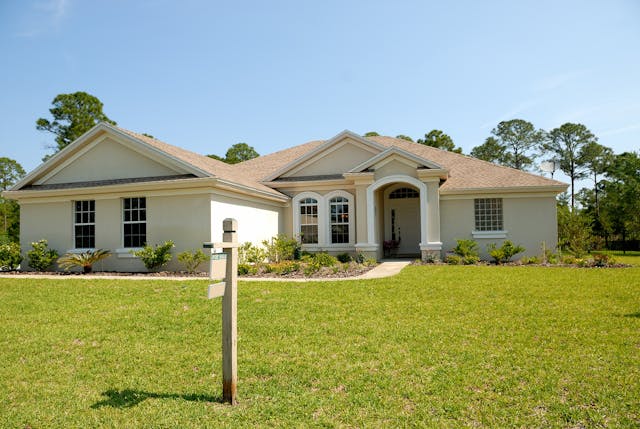
Buying a home is one of the biggest milestones in life, and while it’s exciting, it can also feel overwhelming if you don’t know what to expect. If you’re a first-time buyer, understanding each step can make things far less stressful. Continue reading and reach out to a Florida real estate lawyer from Ansbacher Law to learn about the essential steps that most homebuyers go through on their journey to closing.
Step 1. Evaluate Your Finances And Credit
Before you even start browsing listings, take a clear look at your budget, income, savings, and credit score to get a better idea of what you can realistically afford to spend on a home in Northeast Florida. Mortgage approval, monthly payments, and closing costs will all depend on your financial circumstances. Additionally, other expenses you should take into consideration include homeowner’s insurance, property taxes, and potential storm insurance. Mortgage lenders will use these numbers to determine how much you can borrow, so knowing where you stand will help you avoid surprises later.
Financial Preparation Checklist
- Review your credit score and dispute any errors or mistakes on your report
- Calculate your debt-to-income ratio
- Calculate an estimate of upfront expenses like down payments and closing costs
- Be sure to leave room in your budget for property taxes, insurance, and repairs
- Continue to build your savings to have a buffer for unexpected costs or post-purchase maintenance
Step 2. Get Pre-Approved For A Mortgage
Pre-approval shows sellers that you are a serious buyer. It also gives you a realistic idea of what price range you should be searching for, so you don’t waste time on homes that are outside your financial reach. In the competitive Jacksonville-area market, a pre-approved mortgage can be the difference between having your offer accepted or denied, while also helping to uncover any issues early in the process.
Why Pre-Approval Matters
- Strengthens offers in the competitive Northeast Florida market
- Helps you identify loan programs
- Can prevent delays once you move under contract
- Can help save time by avoiding homes outside of your budget
Step 3. Hire the Right Professionals
While you may browse online listings, a knowledgeable agent has access to resources and negotiation skills that the average buyer doesn’t. It’s important to understand that there are a number of professionals that you can work with to help reduce the risk of making errors or missing deadlines during this process.
Home-Bying Processionals You May Want to Consider Working With
- Real estate agents to help locate and negotiate purchases
- Real estate attorneys to review contracts before signing
- Mortgage lenders to help coordinate financing
- Licensed home inspectors can uncover safety concerns or structural issues with the property before you sign anything
- A title company to help review titles and assist with closing
Step 4. Begin Searching for Homes
Touring properties can be both exciting and exhausting. During this stage, you’ll need to balance wants versus needs, all while paying attention to location, condition, and potential resale value. In Florida, you should also consider weather conditions, insurance costs, and development trends that can impact property value over time.
Smart Home Search Considerations
- Neighborhood safety and commute
- Schools and community events
- Property resale value and market trends
- Zoning and future development
- Flood zones and hurricane risks
- HOA rules and fees, if applicable
Step 5. Make an Offer and Negotiate Terms
Once you find the right property, your agent will help you prepare a formal offer. It’s important to understand that your offer will generally include different terms and conditions that can impact your financial risk and obligations. Negotiations are common, and terms may address matters like repair credits, contingencies, closing timelines, or seller-paid costs.
Important Offer Terms to Understand
- Purchase price and financing contingencies
- Inspection and appraisal contingencies
- Earnest money deposit shields
- Closing date and terms of repossession
- Seller repair obligations
Step 6: Conduct Inspections and Appraisals
Inspections reveal potential issues with the home, while an appraisal confirms its market value for your lender. Both are key safeguards before you commit to the purchase, as homes in Florida can face issues like moisture and mold, storm damage, and outdated building materials.
What Can Inspections Reveal?
- Structural issues or foundational defects
- Plumbing or electrical issues
- Code violations
- Illegal additions
- Mold, pests, or water damage
Why the Appraisal Is Required
- Confirms the true property value for the lenders
- Prevents a buyer from overpaying for the home
- Can result in renegotiation if the value is lower than the offer on the home
Step 7. Perform A Title Search And Obtain Title Insurance:
A title search confirms that the seller has the legal right to sell the property. As such, title issues uncovered during the purchase process can delay or even entirely derail a closing if not discovered early, and title insurance protects you from future disputes over ownership.
What a Title Search Confirms
- The seller has the legal right and authority to transfer ownership of the property
- There are no undisclosed liens or outstanding property taxes
- There are no ownership disputes or boundary violations
Why Title Insurance Matters
- Can protect against hidden title issues
- Will cover the legal costs in the event ownership is challenged
- Is generally required by mortgage lenders
Step 8. Secure Final Loan Approval
Once the inspection process is complete, the lender will complete a careful examination of the financial documents and details of the property to ensure that the loan adheres to important guidelines. This process is called underwriting.
Final Underwriting Steps
- Verify employment and income
- Examine updated bank account statements
- Confirm appraisal and property conditions
- Issue a final loan commitment
Step 9. Perform the Final Walkthrough
Before the process is officially over, a walkthrough must be conducted to ensure the home’s condition matches the terms included in the contract. This allowed buyers the opportunity to address any outstanding, unresolved, or new issues with the property.
Walkthrough Checklist
- Ensure agreed repairs are completed
- Ensure that appliances and fixtures remain on the property
- Inspect for new damage since the final inspection
- Confirm the property is vacant if necessary
Step 10. Attend the Closing
The final legal step in the home-buying process in Northeast Florida is to attend the closing. Essentially, this is where you will sign the final documents and disburse funds, subsequently transferring legal ownership of the property to you and recording it with the county.
What Happens at Closing?
- The loan and title documents are signed
- Closing costs and down payment are paid
- Funds are transferred to the seller
- The deed is recorded with the county
Ultimately, the process of buying a home involves many moving parts, which is why it’s wise to hire a seasoned Florida real estate lawyer with Ansbacher Law who can ensure that your rights are protected and that your investment is secure. If you have additional questions or require the help of a knowledgeable attorney, please don’t hesitate to contact our firm today for a free consultation.