

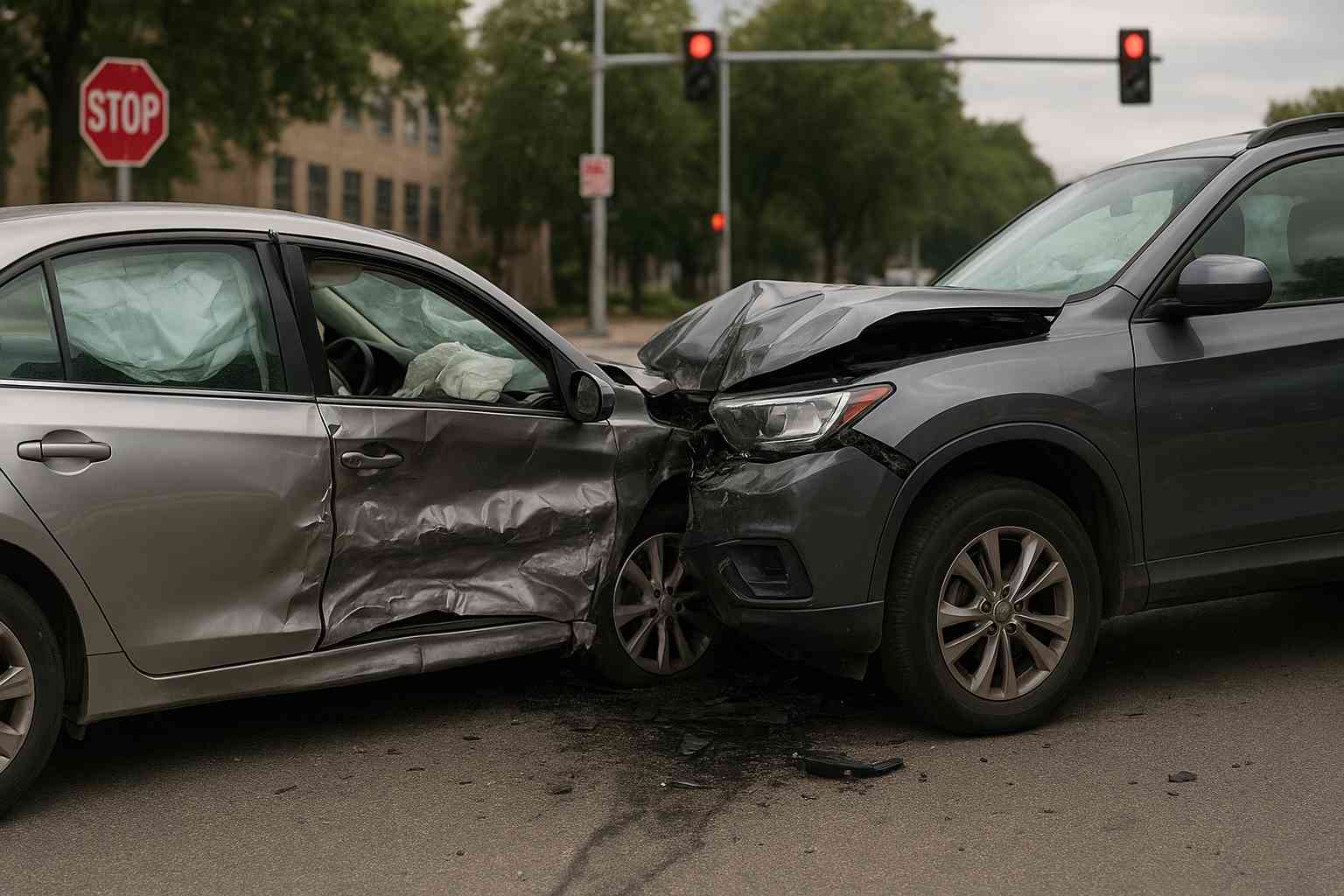
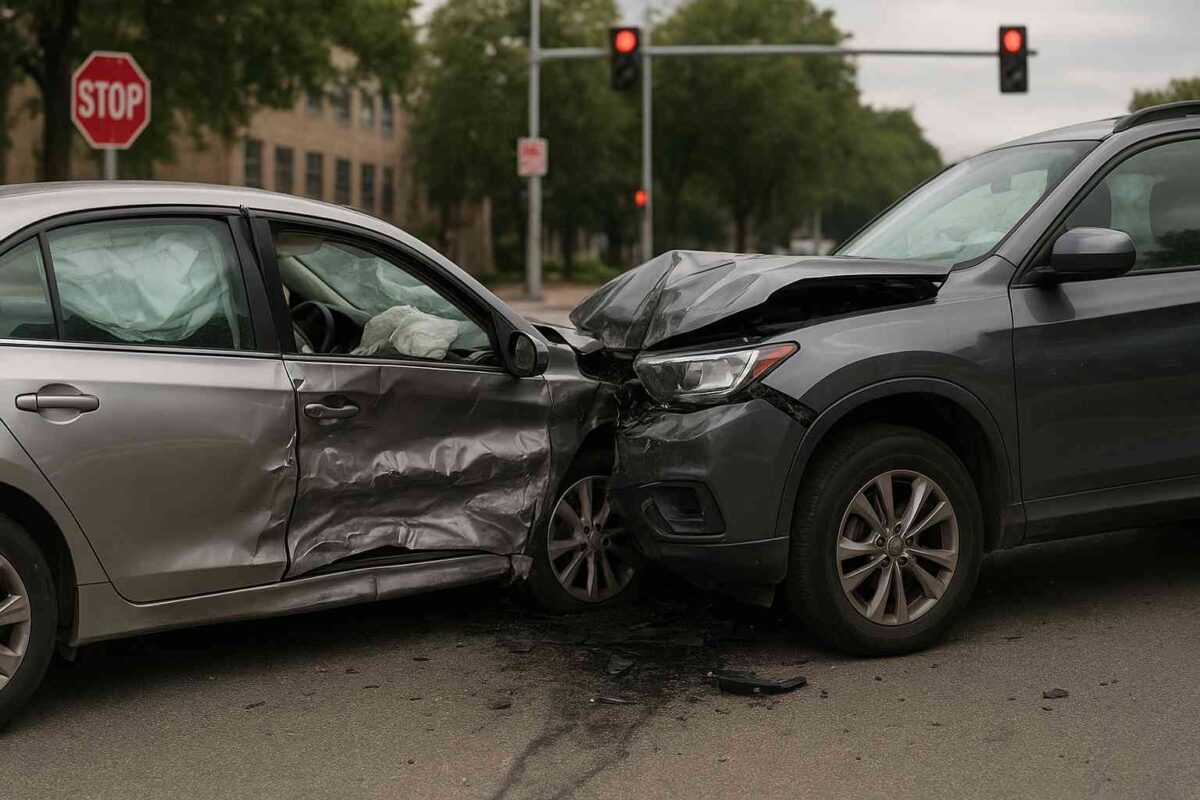
T-bone accidents are some of the most dangerous crashes, and they tend to happen without warning. One moment you are driving through an intersection, and the next, another vehicle slams into the side of your car. Because the sides of vehicles offer far less protection than the front or rear, these crashes often lead to serious injuries and long recovery periods. Unfortunately, determining fault in a T-bone accident is rarely automatic. While one driver is often more clearly responsible, insurance companies do not hand out liability without a fight. Continue reading and reach out to a seasoned Jacksonville personal injury lawyer to learn about how fault is evaluated and how we can help you fight for the compensation you deserve. Here are some of the questions you may have:
What Usually Causes a T-Bone Accident?
Most T-bone collisions happen at intersections, and many involve a failure to follow traffic control devices. However, the reason a crash occurs and who caused it are not always the same thing. Some of the most common causes are as follows:
- Running a red light or stop sign
- Failing to yield the right of way while turning left
- Speeding through an intersection to beat a light
- Distracted driving, including texting or GPS use
- Driving under the influence of alcohol or drugs
In many cases, the driver who strikes the side of another vehicle is assumed to be at fault. That assumption can be misleading. The true cause often depends on who had the legal right of way at the moment of impact and whether either driver was behaving negligently.
How Is Fault Determined Under Florida Law?
Florida follows a comparative negligence system, which means more than one party can share responsibility for a crash. Fault is assigned as a percentage, and compensation is reduced accordingly. When investigating a T-bone accident, the following factors are considered:
- Traffic signals and signage at the intersection
- Statements from drivers and witnesses
- Police crash reports and citations issued
- Vehicle damage patterns and point of impact
- Surveillance or traffic camera footage
- Cell phone records or evidence of distraction
For example, a driver who enters an intersection on a green light may still be partially at fault if they were speeding or distracted. On the other hand, a driver who had a yellow light may not be fully responsible if the other vehicle turned illegally across their path.
Because Florida insurance companies closely analyze these details, fault disputes are common. Even a small shift in fault percentage can significantly affect the value of a personal injury claim.
Can Both Drivers Be at Fault in a T-Bone Crash?
Yes, and this surprises many accident victims. T-bone accidents often involve shared responsibility, especially when both drivers made poor decisions in the moments leading up to the crash. Situations where fault may be shared are as follows:
- One driver runs a light while the other is speeding
- A distracted driver fails to notice a vehicle making an unsafe turn
- Poor visibility or weather conditions contribute to delayed reactions
- An intersection lacks clear signage or has malfunctioning signals
Under Florida law, an injured driver can still recover compensation even if they are partially at fault, as long as they are not more responsible than the other party. However, insurance adjusters may try to exaggerate a victim’s role to reduce payouts, which is why early legal guidance matters.
T-bone accidents often leave victims dealing with medical bills, lost income, and ongoing pain. While fault may seem obvious at first glance, the reality is usually more complicated. If you were injured in a T-bone accident, you need to contact a Florida personal injury lawyer who can help you understand where fault truly lies and what steps to take next.