

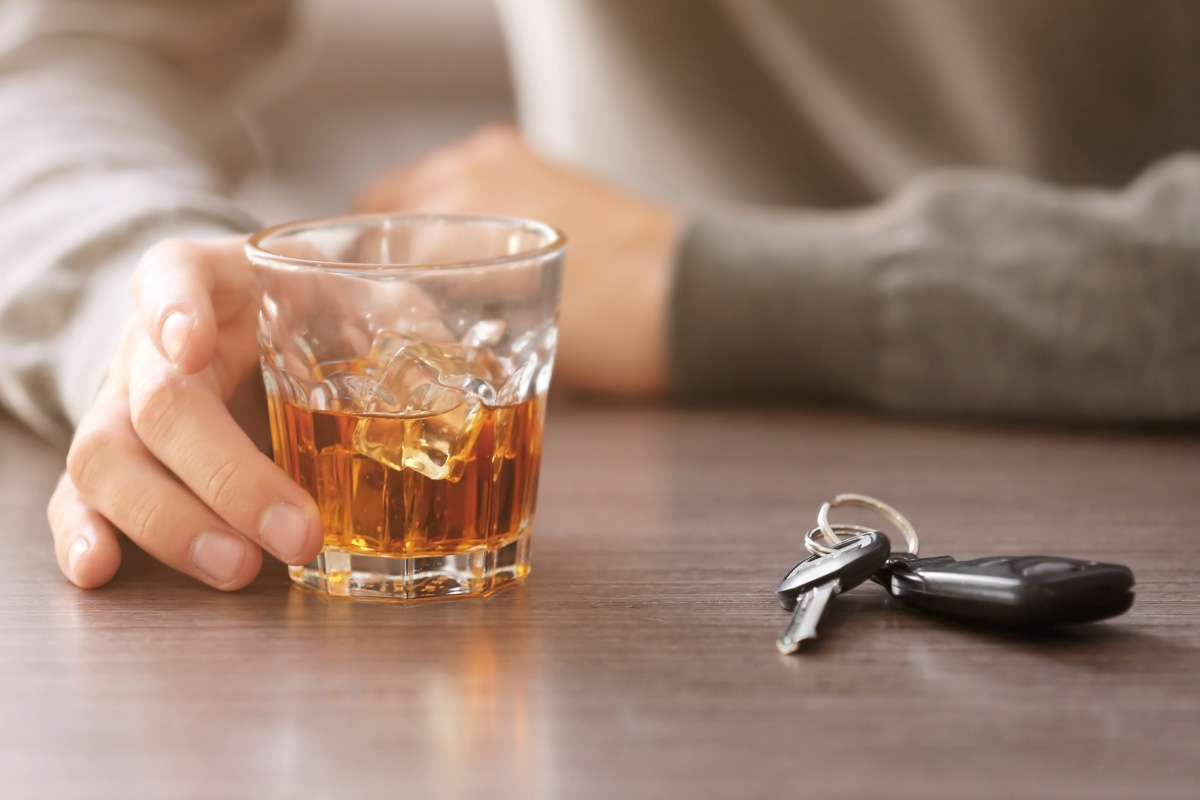
Under Florida personal injury law, drivers who cause crashes while impaired can face financial responsibility for medical bills and other damages. Being involved in an accident with a drunk driver is a terrifying and life-altering experience. Beyond the physical injuries, victims often face emotional trauma, mounting medical bills, and lost wages due to time away from work. If you or a loved one has been struck by a drunk driver in Florida, continue reading and reach out to a skilled Jacksonville personal injury lawyer from Ansbacher Law to learn more. Here are some of the questions you may have:
Who Can Be Held Liable for a Drunk Driving Accident in Florida?
First and foremost, it’s important to understand that liability for a drunk driving accident is not always limited to the driver. While in most cases, the intoxicated driver is the primary liable party, liability may extend beyond them. Florida has dram shop laws, which may hold a bar, restaurant, or another establishment accountable. Understanding who can face liability is critical, as it can help increase the total compensation the victim of a drunk driver may be eligible to recover.
Primary Liability: The Drunk Driver
- Driving under the influence of alcohol is a clear breach of a driver’s duty to provide reasonable care to others on the road
- A drunk driver may face liability for injuries, lost income, and property damage
- Criminal DUI charges are separate from a civil liability claim, but evidence used in the criminal case may help support your claim for compensation
Third-Party Liability: Florida Dram Shop Laws
- Florida law allows those who are injured by a drunk driver to hold a bar, restaurant, or alcohol vendor liable if:
- They knowingly served an individual under the age of 21
- They knowingly served someone known to be “habitually addicted” to alcohol
- The victim must show that the service of alcohol contributed to the driver’s intoxication and subsequent collision
- Dram shop cases require a considerable amount of evidence, like receipts, surveillance footage, and witness statements
What Types of Compensation Can I Recover After a Drunk Driving Crash?
If you were hit by a drunk driver, you may be entitled to economic, non-economic damages, and even punitive damages. These damages are meant to compensate you for the various ways the accident has affected your life. Because DUI collisions generally result in severe injuries, damages may be substantial when properly documented.
Economic Damages
Economic damages cover tangible financial losses, such as:
- Medical expenses (current and future)
- Rehabilitation and therapy costs
- Lost wages
- Reduced earning capacity
- Property damage
Non-Economic Damages
Non-economic damages are awarded for more subjective personal losses, including:
- Pain and suffering
- Emotional distress
- Anxiety, depression, or PTSD
- Loss of enjoyment of life
- Permanent disability
- Permanent scarring or disfigurement
Punitive Damages
In some cases, Florida courts may also award punitive damages. Unlike economic and non-economic damages, which are meant to compensate the victim, punitive damages are designed to punish the drunk driver for their reckless behavior and deter others from making similar choices. While not awarded in every case, they may be available if the driver’s conduct was especially egregious.
What Should You Do Immediately After a Drunk Driving Crash?
The aftermath of an accident, especially one in which you believe the other driver was intoxicated, can be incredibly overwhelming. However, the steps you take in the immediate aftermath can have a significant impact on the outcome of your case, including the compensation you are eligible to receive. As such, proper documentation at the scene can help reduce the risk of insurance company denials and shifting blame.
Because DUI crashers are investigated aggressively in Northeast Florida, early documentation can have a significant impact on the outcome of a case for injury victims in Jacksonville and the surrounding areas.
Steps to Take at the Scene
- Call 911 to request police and medical assistance at the scene
- Inform the operator that you believe the other driver is intoxicated
- Request a medical evaluation at the scene, even if your injuries seem minor or you feel fine
- Take photos and videos of the scene, like skid marks, damage to both vehicles, and road conditions
- Gather the names and contact information of witnesses
- Exchange insurance information with the other driver (or have the police assist in this process if they are too intoxicated to provide their details)
- Do not speculate about fault with anyone at the scene
Evidence to Preserve After Leaving the Scene
- Save all hospital and medical records
- Keep a log of receipts for prescriptions or medical devices
- Begin a daily journal to document your pain levels, symptoms, and the impact it has on your daily life
- Keep a log of missed work and lost income
How Can a Florida Personal Injury Lawyer Help Maximize Compensation?
Navigating a personal injury claim after a drunk driving accident can be overwhelming, especially while trying to recover from your injuries. A skilled attorney can help you gather evidence, negotiate with insurance companies, and build a strong case to maximize your compensation.
Investigation and Evidence Development
Working with an attorney can help:
- Obtain police records and information about BAC
- Work with accident reconstruction experts to provide a better understanding of the accident
- Locate surveillance or traffic camera footage that can be used in your case
- Subpoena bar or restaurant records in dram shop cases
Dealing With Insurance Companies
Insurance companies are not looking to compensate the victims of those on either policy. Instead, they look to reduce your compensation in the name of preserving the financial interests of their company. As such, an attorney can
- Prevent recorded statements from being used against you
- Counter low-ball settlement offers
- Help calculate the full cost of medical expenses
- Prepare for trial should negotiations fail
Understanding Florida’s Comparative Negligence Rule
Florida, like most states, adheres to a modified comparative negligence rule for personal injury cases, including drunk driving collisions.
- Compensation may be reduced by your percentage of fault in the accident
- If you are more than 50% responsible for the collision, you are generally unable to recover compensation for damages
- Evidence and legal arguments can help reduce insurance companies’ shifting blame to you
How Long Do You Have to File a Drunk Driving Claim in Florida?
In Florida, like all states, you only have a set amount of time to pursue legal action against a negligent driver. Failure to adhere to this timeframe, known as the statute of limitations, can result in being unable to recover the compensation you deserve, regardless of how obvious the negligence and damages are.
Florida Statue of Limitations
- Under Florida law, personal injury lawsuits must be filed within two years
- The clock starts on the date of the accident
- Wrongful death claims have an even shorter statute of limitations
Contact an Experienced Florida Personal Injury Attorney
If you or a loved one has been injured by a drunk driver in Florida, don’t wait to seek legal help. A knowledgeable personal injury attorney with Ansbacher Law can provide guidance, protect your rights, and help you secure the compensation you need to move forward. Contact our Jacksonville firm today to learn how we can represent you.