

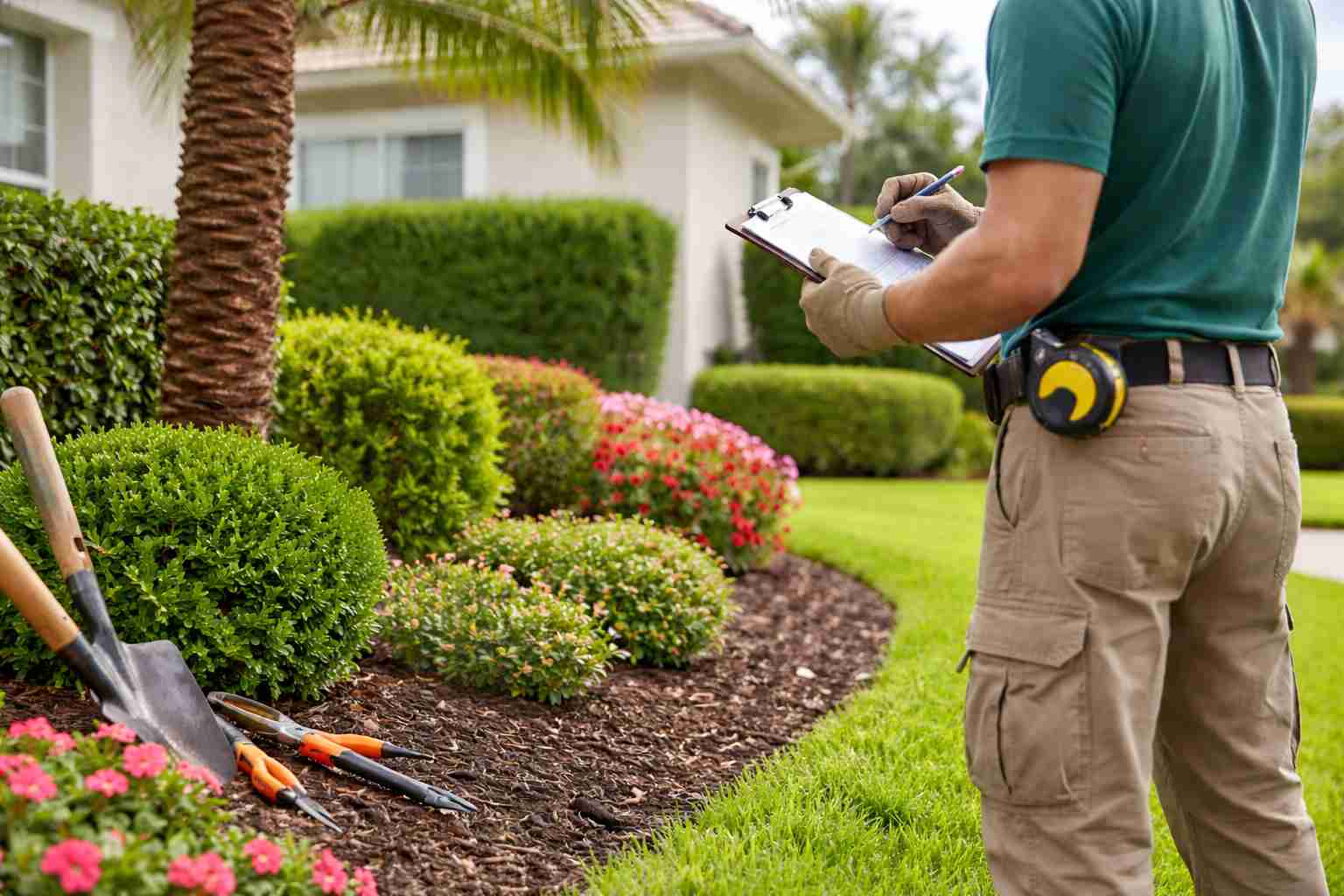

Homeowners associations play an important role in maintaining the overall appearance, safety, and property values of their communities, and one of the most common areas where disputes arise involves landscaping. At first glance, landscaping rules may seem minor or purely cosmetic, but the truth is, these rules are often carefully drafted to ensure consistency, protect drainage and visibility, and preserve the character of a neighborhood as a whole. Unfortunately, not every homeowner follows these rules, and when landscaping violations occur, an HOA may look to take steps to resolve the issue without creating unnecessary conflict. Read this blog and reach out to our Florida condo & homeowner association attorneys to learn more. Here are some of the questions you may have:
What Happens First When a Landscaping Violation Is Discovered?
In most cases, enforcement begins with notice, not punishment. Associations are generally required to give homeowners an opportunity to correct a violation before taking further action, and this initial stage is often the most important because it sets the tone for everything that follows. After discovering a violation, an association will typically take the following steps:
- Send a written notice describing the violation and identifying the specific rule or covenant that has been violated
- Provide the homeowner with a reasonable amount of time to correct the issue, which may vary depending on the nature of the violation
- Document the condition of the property through photographs, inspection reports, or management records
- Communicate with the homeowner if questions or disputes arise about the violation
Though this process may seem straightforward, it is extremely important that associations follow their governing documents and the law carefully, because failing to do so can make enforcement far more difficult later on. In many cases, violations are resolved at this stage simply because the homeowner was unaware of the rule or needed additional time to comply.
Can an HOA Fine a Homeowner for Violating Landscaping Rules?
Yes, in many cases, associations do have the authority to impose fines, but this authority is not unlimited, and fines must be imposed in accordance with Florida statutes as well as the association’s governing documents. Before a fine can become effective, associations are generally required to:
- Provide written notice of the proposed fine
- Give the homeowner at least 14 days to request and attend a hearing
- Present the matter to an independent committee that must approve the fine
- Ensure that the amount of the fine complies with statutory limits and governing documents
That being said, fines are often intended to encourage compliance rather than punish homeowners, and in many situations, the possibility of financial penalties is enough to motivate corrective action. However, there are instances where homeowners continue to ignore notices or refuse to correct violations, particularly when landscaping changes involve significant expense or effort to undo.
What Legal Remedies Are Available if a Homeowner Refuses to Comply?
When notices and fines do not resolve the landscaping issue, an HOA may need to consider stronger legal measures. While litigation is rarely the first choice, it can become necessary in cases involving repeated or serious violations. Depending on the circumstances, an association may be able to:
- File a lawsuit seeking an injunction that requires the homeowner to correct the violation
- Recover attorney’s fees and costs if permitted under the governing documents or applicable law
- Suspend certain common-area use rights where authorized
- Record liens for unpaid fines or assessments when the legal requirements for doing so have been satisfied
Though these remedies are effective, they must be pursued carefully. Courts often look closely at whether associations acted reasonably, applied rules consistently, and followed proper procedures, which is why legal guidance is often essential when enforcement efforts escalate.
Landscaping disputes may seem minor at first, but the reality is that unresolved violations can lead to larger conflicts, strained relationships within the community, and even declining property values over time. Fortunately, associations do not have to face these situations alone. An experienced Florida condo and HOA lawyer can help. If you have additional questions or require the assistance of an attorney, simply contact Ansbacher Law for an initial consultation today.