

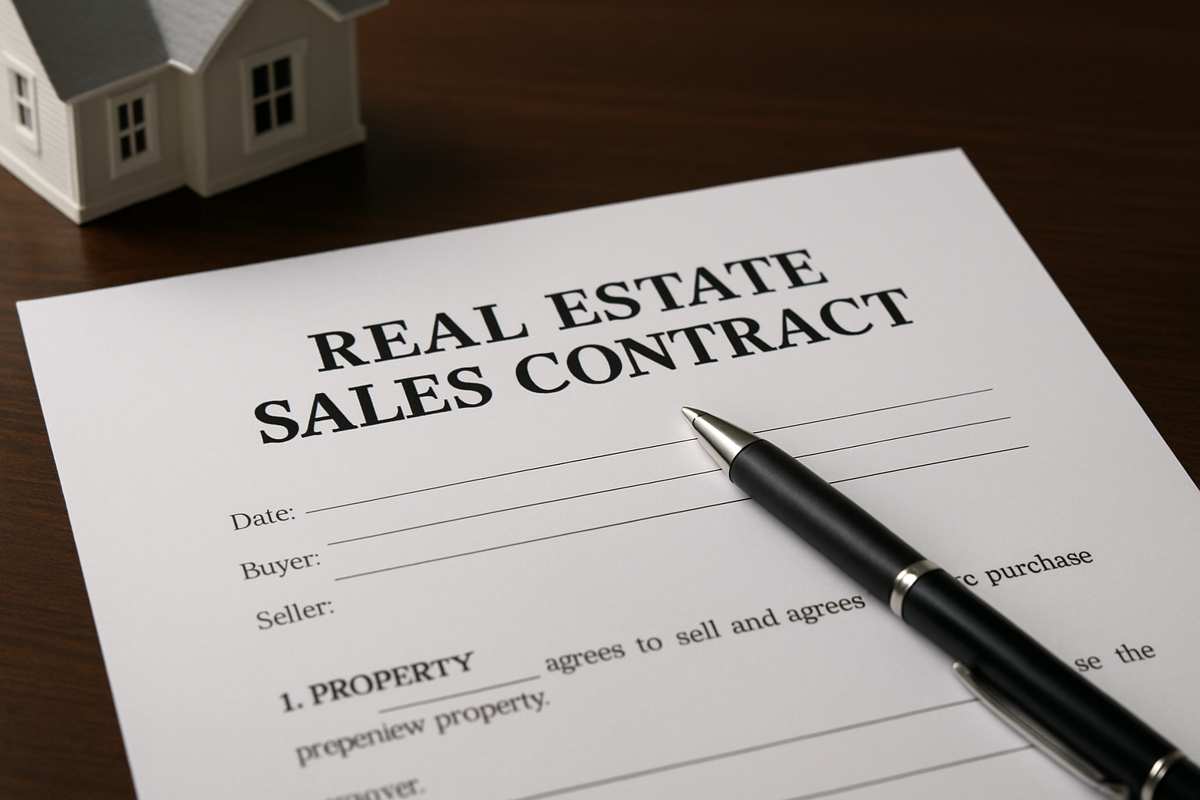
Buying or selling property almost always begins with a real estate sales contract, even though many people sign one without fully understanding what it actually does. At its core, this contract is a legally binding agreement between a buyer and a seller that lays out the exact terms of a real estate transaction. Once it is signed by both parties, it becomes much more than a form. It becomes the rulebook for the entire deal.
A sales contract typically identifies the property, the agreed purchase price, the closing date, and the conditions that must be satisfied before the sale is finalized. It also spells out what happens if something goes wrong. While many contracts are based on standard Florida Realtor forms, the fine print can still have serious legal and financial consequences. That is why reviewing the contract carefully before signing is so important.
What information is included in a Florida real estate sales contract?
A well-drafted real estate sales contract should be clear, specific, and complete. Missing or vague language can lead to disputes later. Common elements are as follows:
- The legal description of the property, not just the street address
- The purchase price and how it will be paid, including financing terms
- The amount of the deposit and where it will be held in escrow
- The proposed closing date and location
- Prorations for taxes, association fees, and utilities
- Items included or excluded from the sale, such as appliances or fixtures
Florida contracts also include required disclosures, such as information about lead-based paint for older homes or known defects that materially affect the property’s value. If these disclosures are incomplete or inaccurate, the buyer may have legal options later.
What contingencies should you look for before signing?
Contingencies are conditions that must be met for the contract to move forward. They protect both parties, but especially buyers. Some of the most important contingencies are as follows:
- Financing contingency, which allows the buyer to cancel if a loan is not approved
- Inspection contingency, which gives the buyer time to have the property inspected
- Appraisal contingency, which protects against overpaying if the property appraises low
- Title contingency, ensuring the seller can deliver clear title
In Florida, these contingencies often come with strict deadlines. Missing one can mean losing the right to cancel or negotiate. Buyers should understand exactly how much time they have and what actions are required. Sellers should also be aware of how contingencies can delay or derail a closing.
What should you consider before signing a real estate sales contract?
Before signing anything, it is important to slow down and think beyond the excitement of the transaction. Once signed, backing out can be costly. Some of the most important considerations are as follows:
- Whether the deadlines are realistic for inspections, financing, and closing
- What happens to the deposit if the deal falls apart
- Who is responsible for repairs and at what point
- Whether the contract limits or expands legal remedies
Real estate sales contracts can be negotiated, even when they are based on standard forms. A real estate lawyer can help identify risks, clarify obligations, and suggest changes that better protect your interests.
If you have additional questions or would like assistance with any real estate matter, please don’t hesitate to contact Ansbacher Law today.