

Buying or building a home should be exciting, especially with so many people moving to the state, investing in property, or renovating older homes across coastal and inland communities. Yet many construction disputes start when a contractor or seller fails to tell the buyer about problems that already exist. Florida law expects parties involved in real estate and construction projects to be honest about material facts. When important details are withheld, a serious legal issue called failure to disclose may arise, leaving homeowners with unexpected repairs and financial stress they never planned for.
Florida’s climate and unique building conditions make this topic especially important. Homes are constantly exposed to humidity, storms, salt water, soil movement, and insurance-related requirements. Because of that, information that might seem minor in another state can be critical here. Continue reading and reach out to a knowledgeable Florida construction lawyer from Ansbacher Law to learn more. Here are some of the questions you may have:
What exactly counts as failure to disclose in Florida?
Under the law, a contractor, builder, or seller may be required to disclose certain information about a property or project. Failure to disclose typically involves hiding or neglecting to share facts that could influence a buyer’s decision. These facts often relate to issues like structural integrity, safety, or compliance. Some of the most common examples that we see include:
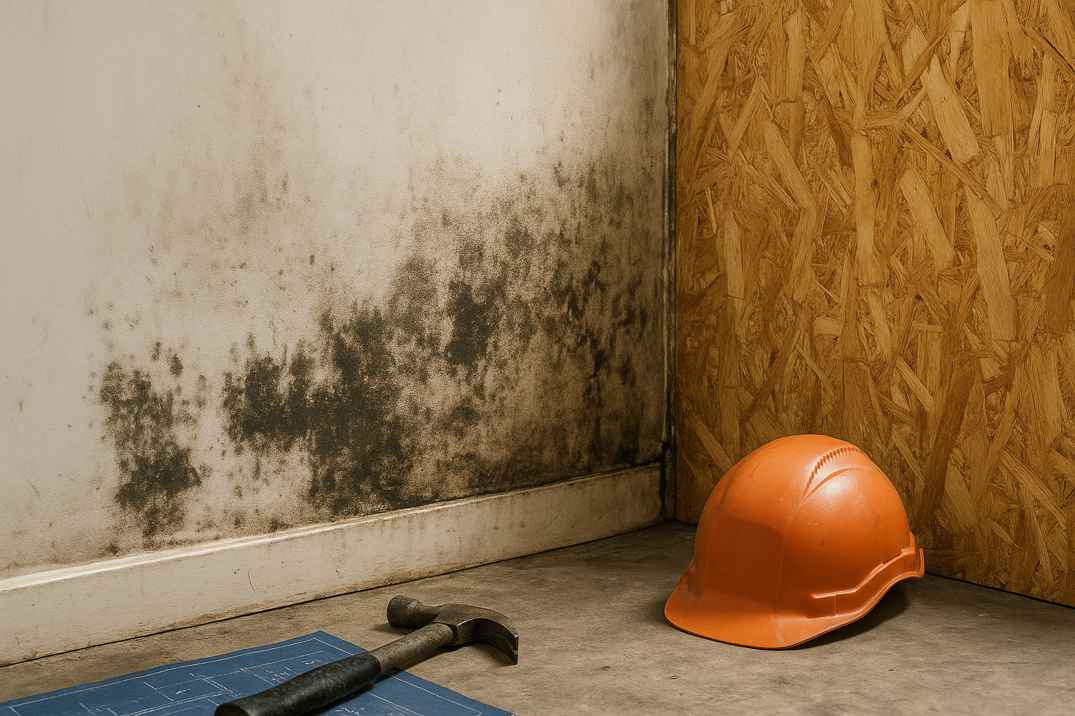
- Known water damage or mold issues
- Defects in construction materials or workmanship
- Code violations or unpermitted work
- Previous sinkhole activity or soil instability
- Electrical problems that affect safety
In short, if the person responsible knew about a significant issue and did not speak up, a failure to disclose claim may be possible.
What damages can homeowners face when something important was not disclosed?
The financial impact can be severe. A home may need repairs that cost thousands of dollars, and many families are forced into temporary housing while problems are fixed. In more serious cases, structural failures can make part of a home unsafe or even unlivable until major work is completed. Homeowners may experience the following:
- Expensive repairs
- Reduced property value
- Safety concerns
- Insurance complications
- Loss of use of part or all of their home
These situations can be emotional, especially when a family planned to settle into a home only to discover hidden problems. Legal action may be necessary to recover compensation for losses related to undisclosed issues.
How can a Florida construction lawyer protect your rights?
If you believe information was hidden from you, a construction attorney can review contracts, inspection reports, project history, seller disclosures, and communication between the parties. Building disputes are rarely simple, and proving what someone knew at a particular time may require expert investigation. A lawyer may help you:
- Gather evidence of nondisclosure
- Determine whether Florida disclosure laws apply
- Pursue compensation for damages
- Work with experts to assess structural problems
- Negotiate or litigate the claim
The legal process can feel overwhelming, especially when you are trying to make repairs and protect your investment at the same time. This is why reaching out to a construction lawyer is often the most effective way to move forward.
If you have additional questions or would like to speak with a seasoned attorney about your case, please don’t hesitate to contact Ansbacher Law today.